The Mediterranean diet, anti-aging, eternal youth... the desire of each of us to age healthily and stay fit into old age.
What actually makes up the Mediterranean diet and where are the “blue zones” in Italy?
What are the origins of the Mediterranean diet and how can we incorporate it into our often hectic lifestyle?
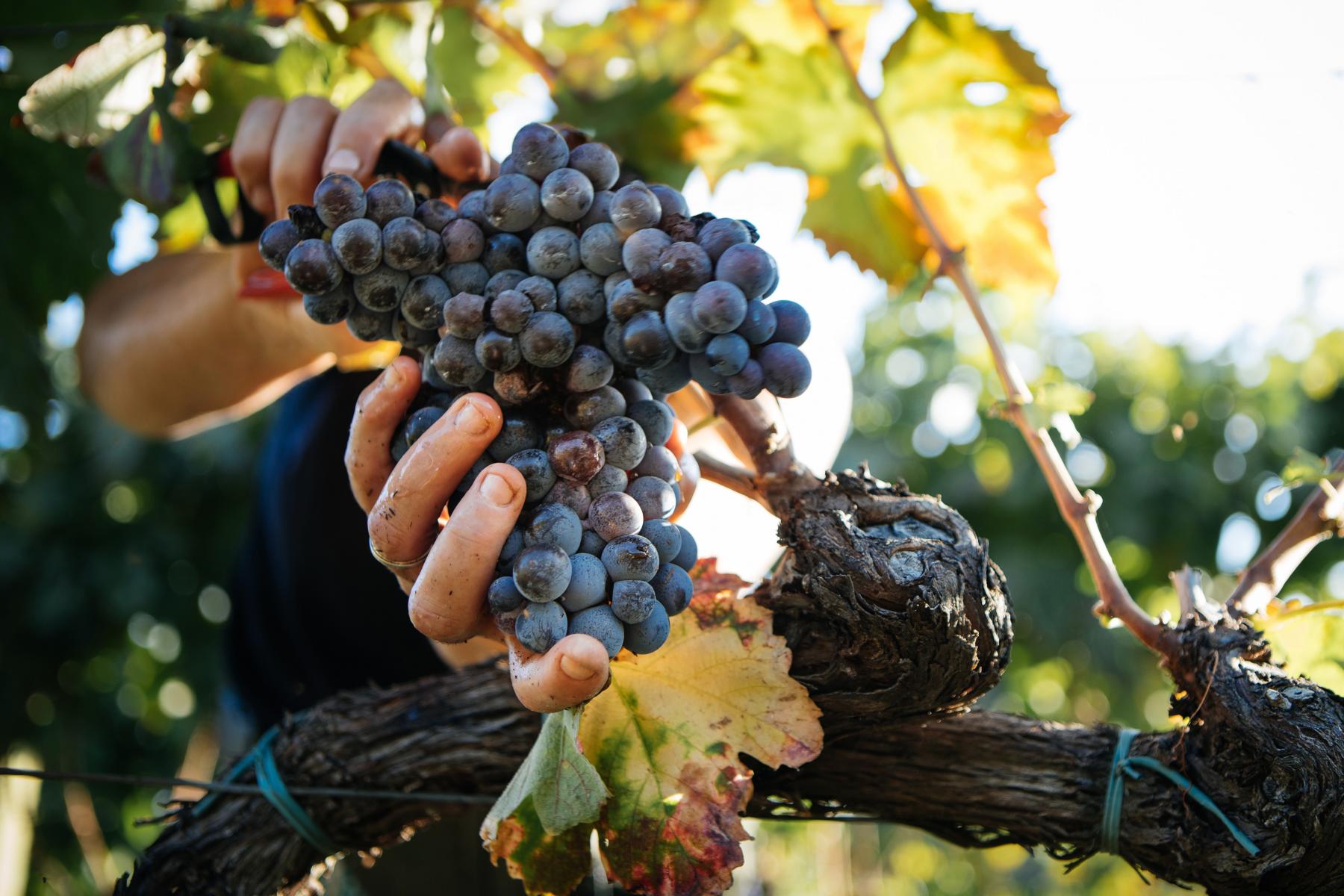
The origins of the Mediterranean diet
It wasn't an Italian who proved the health effects, but an American, Ancel Keys. Keys was a nutritionist and attended the first nutrition conference in Rome in the 1950s. He was impressed that in the region campania and Calabria, Cardiovascular and gastrointestinal disorders only rarely occurred in these areas.
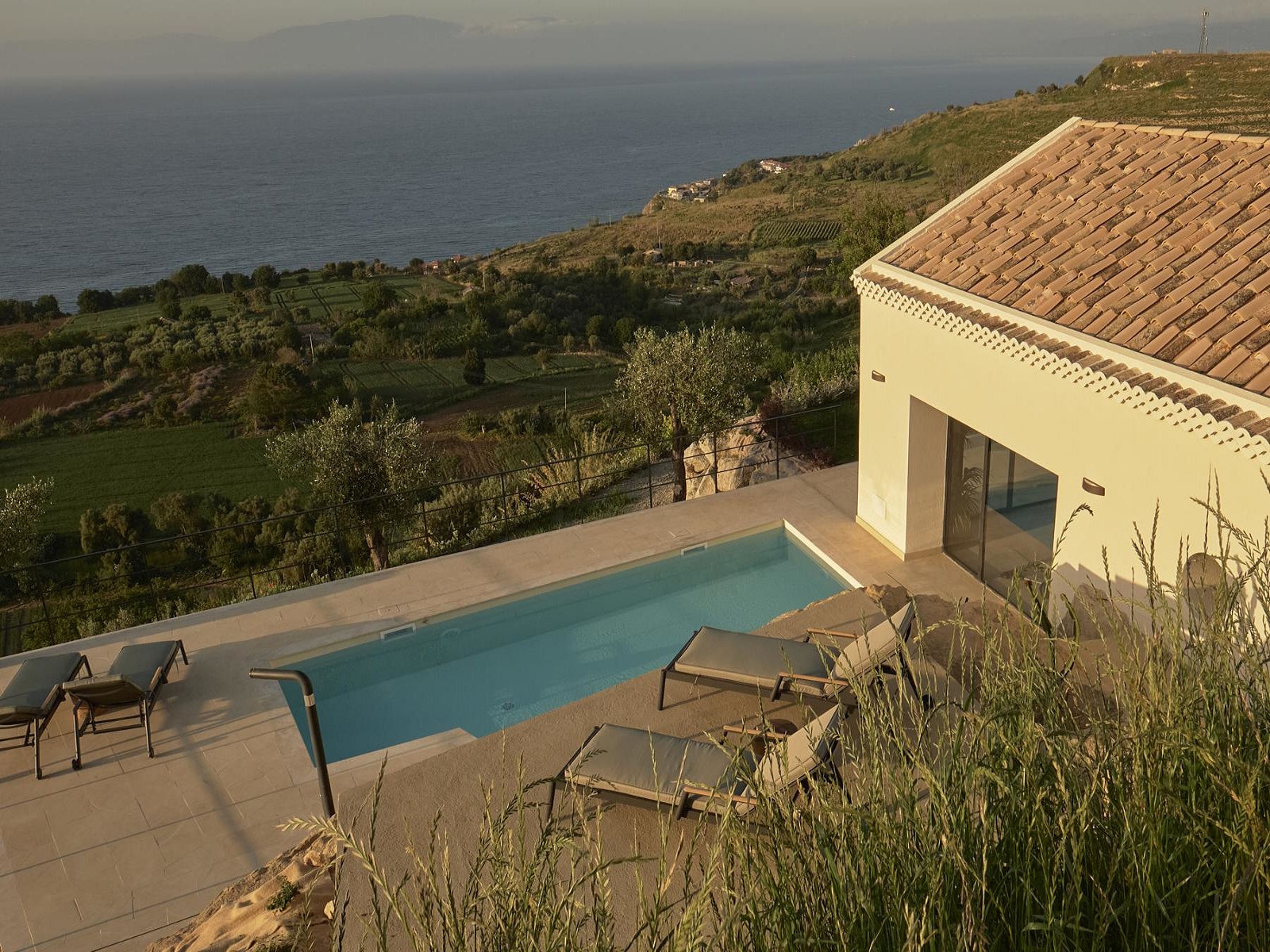
In a small village Nicotera In South Calabria, he led a first pilot study to solve this puzzle, followed by the village Pioppi im Cilento/Campania. He researched for several decades and his study began to bear fruit. This particular diet of the locals had a name that”Mediterranean diet”. His findings were summarized in the famous book “Eat Well and Stay Well.”
Keys stayed in the small village of Pioppi for over 20 years and died in 2004 at the age of 100. Proof that the Mediterranean diet really worked brilliantly for its inventor!
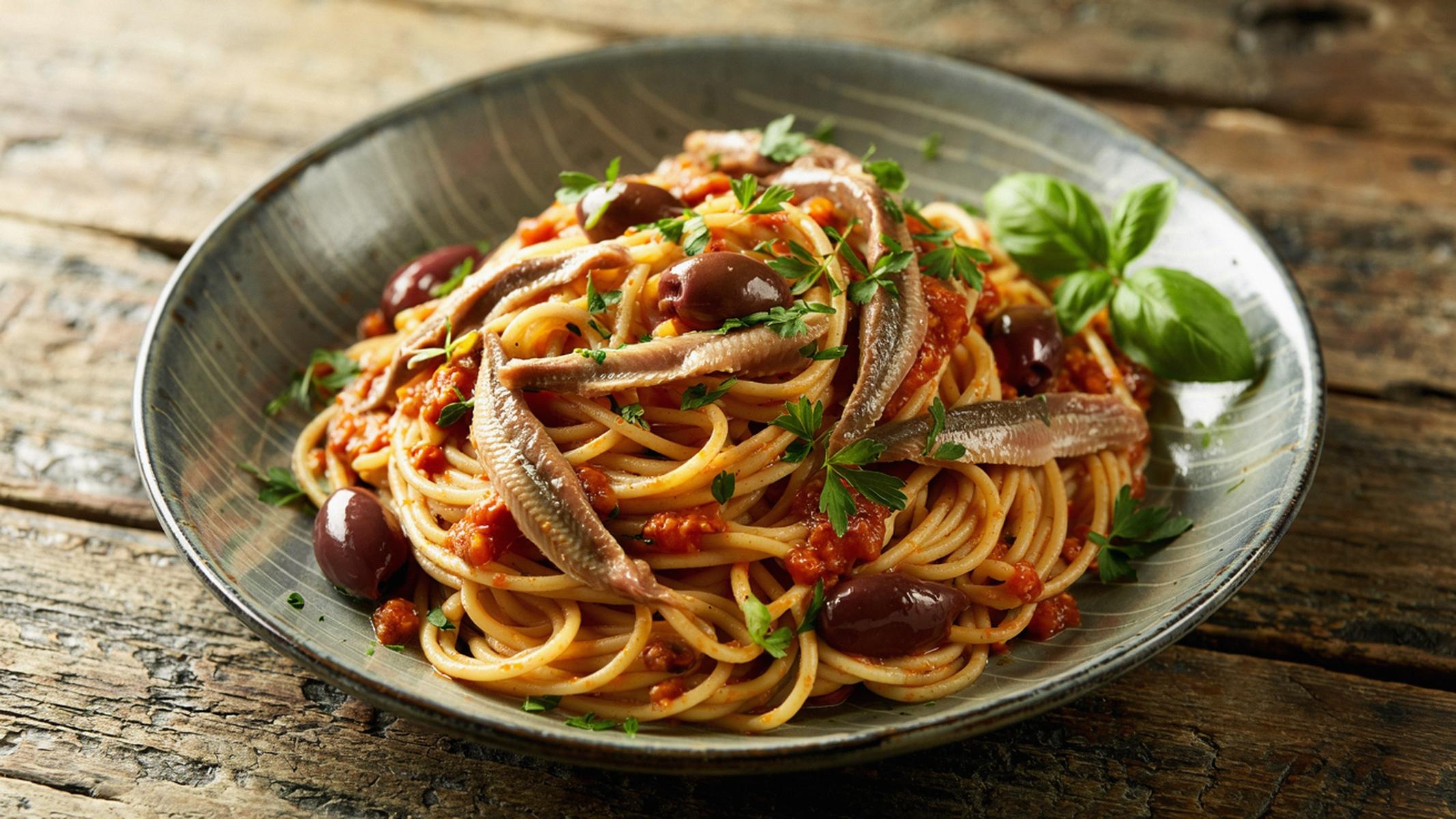
Which ingredients for slow anti-aging and healthy aging
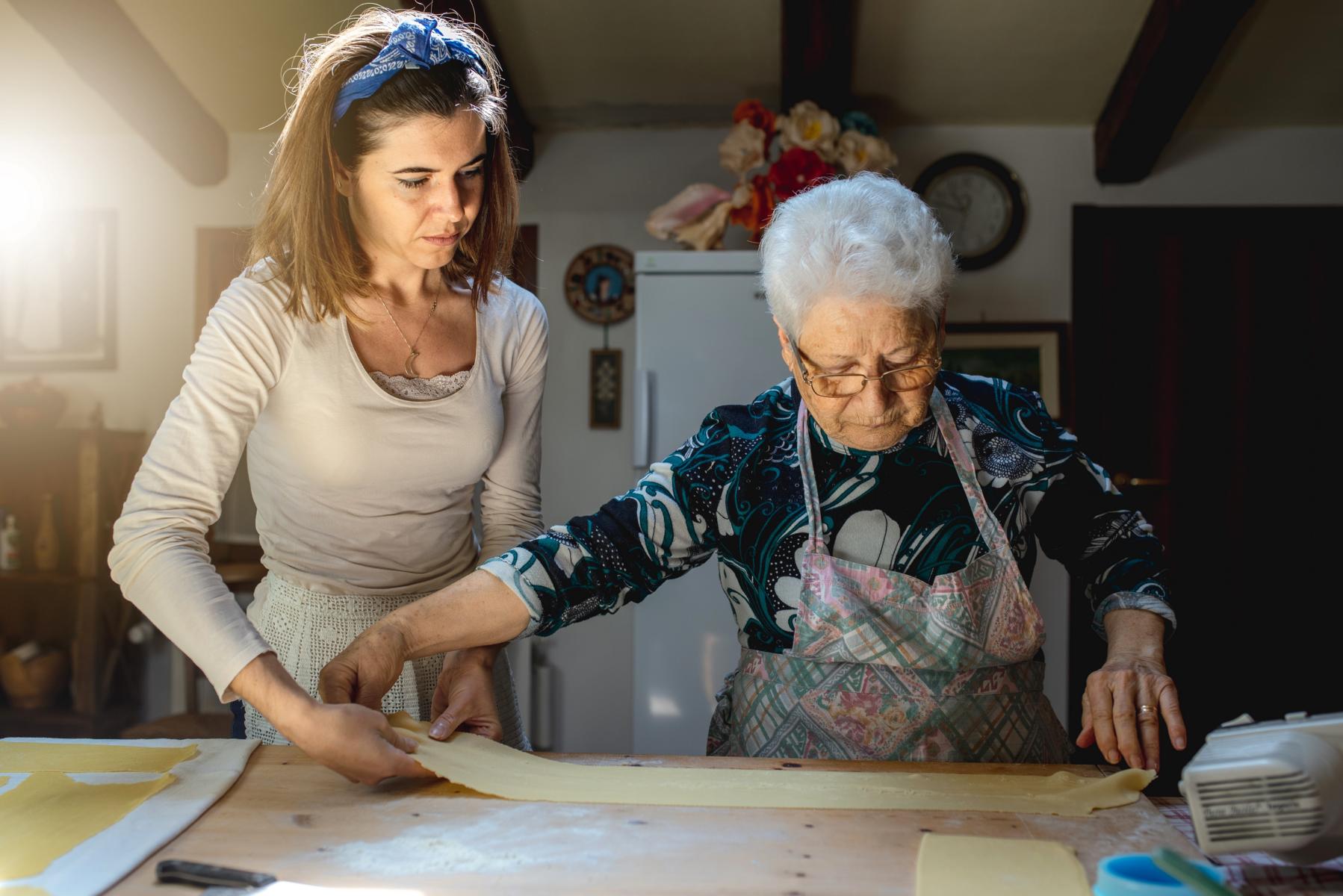
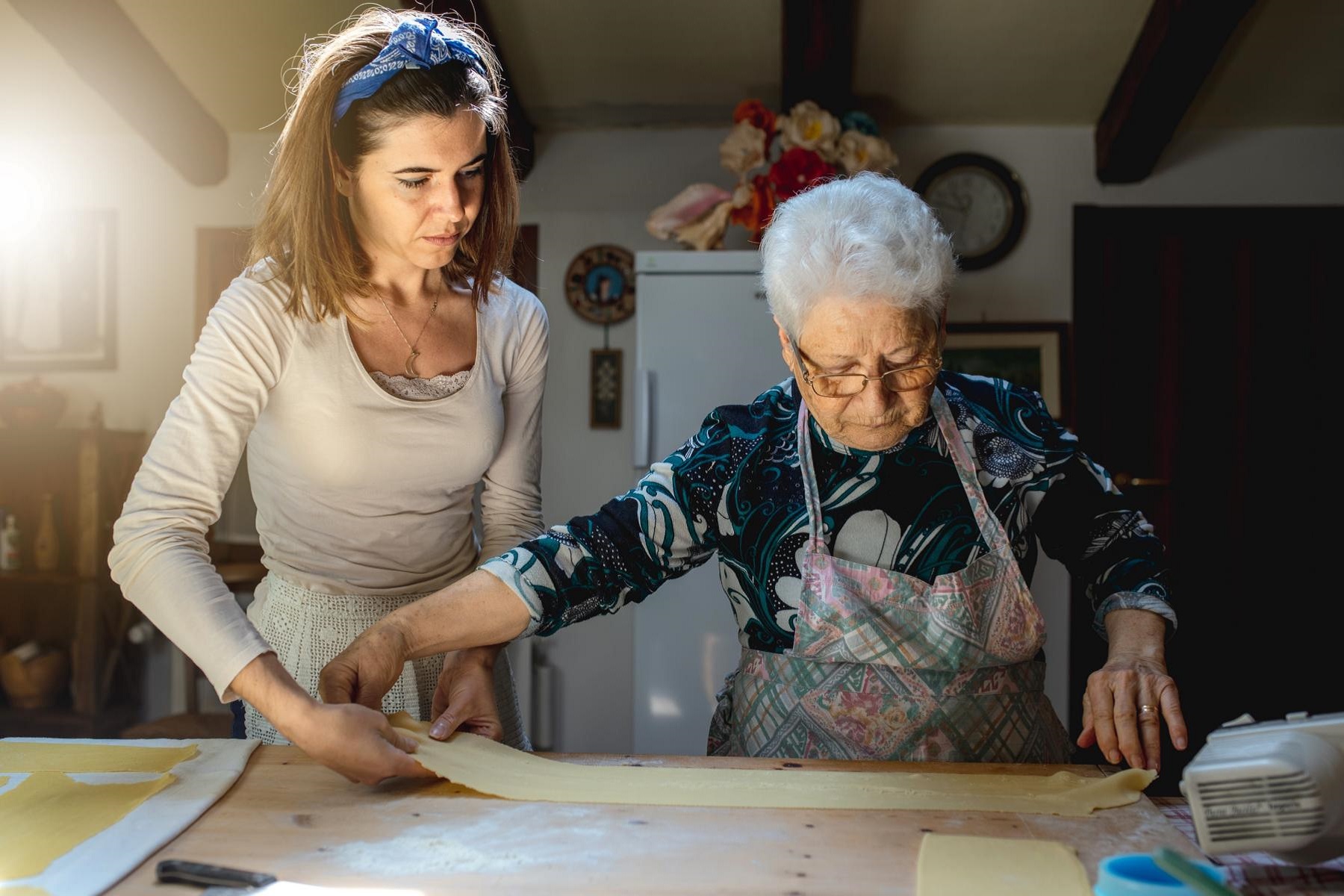
Bread, pasta, fruit (fresh or dried), vegetables, salads, fresh herbs, an abundance of legumes, extra virgin olive oil, fish and very little meat. These are the ingredients of Mediterranean diet, which was declared an “oral and intangible cultural heritage of humanity” by UNESCO.
Foods of animal origin such as dairy products, eggs, fish, poultry and red meat should only be eaten moderately. The primary source of fat is extra virgin olive oil, instead of butter or other animal fats. Sweets are only eaten sparingly.
Die Mediterranean diet It is also characterized by the way these foods are prepared, with preference being given to frying, steaming and baking. High-fat “luxury foods” were allowed once a week: sausages, fish, meat and sweets. All of this was complemented by healthy and extensive physical activity, which is becoming increasingly rare today.

Positive health effects
Reduction of cardiovascular diseases: Plenty of olive oil and the antioxidants in vegetables and fruit protect the heart and arteries.
A healthy weight: the selection of full-bodied and fresh ingredients helps us to better control appetite and body weight.
Mental health: Plenty of omega-3 fatty acids protect the brain against neurodegenerative diseases such as Alzheimer's.
Reducing chronic silent inflammation: Olive oil and the healthy fatty acids of fish stop our body's silent inflammations
Prevention of diabetes 2: the ingredients have a low sugar content and do not affect our insulin levels
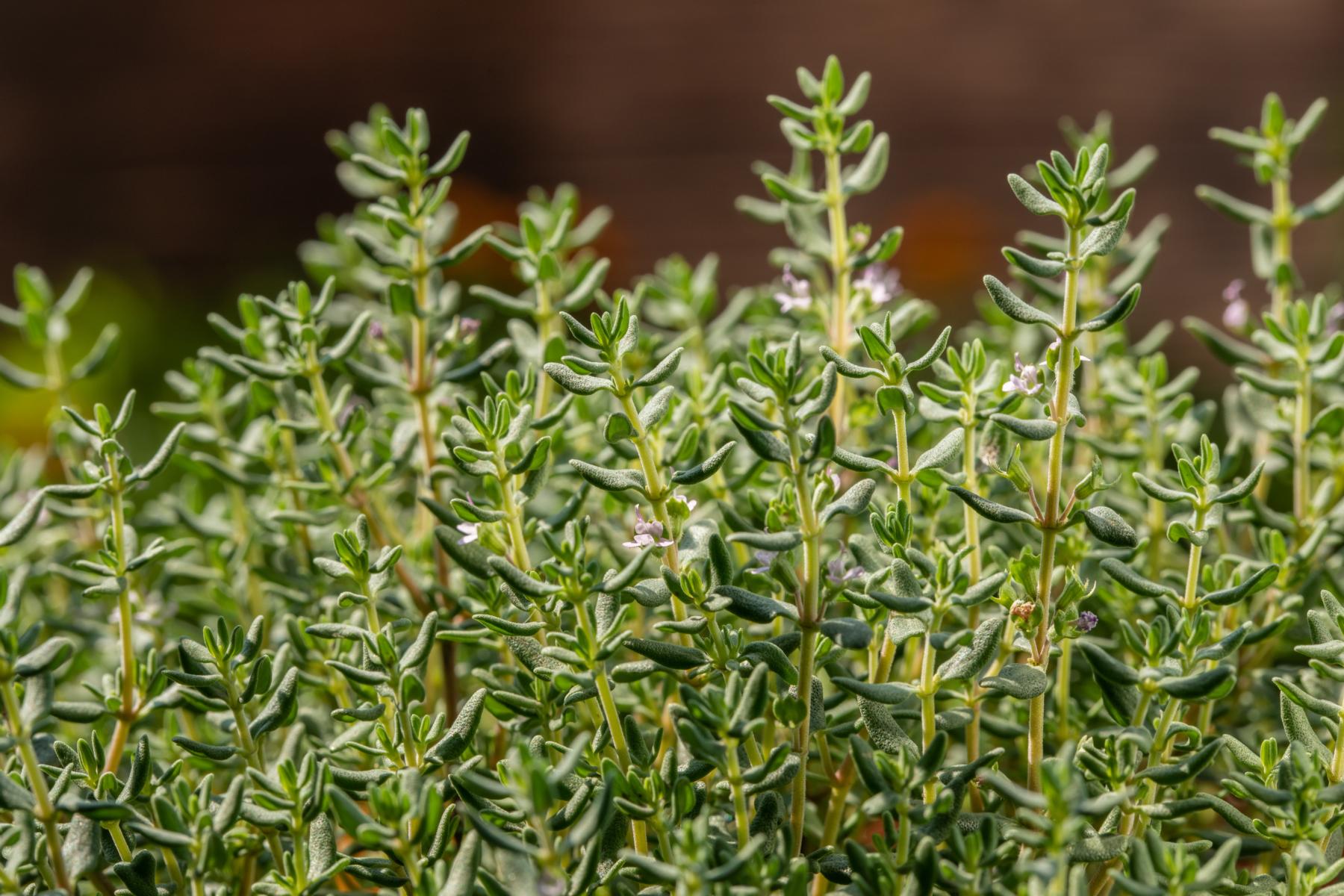
Typical Mediterranean diet dishes and the key to longevity
Here is a small selection of easy and inexpensive dishes to prepare.
Pasta with beans (or chickpeas, or peas, or lentils...)
Panzanella (Tuscan bread salad with fresh vegetables and olive oil)
Minestrone and cereal soups with vegetables, oil and grated cheese
Neapolitan pizza with mozzarella and anchovies
Small squids cooked in a broth of garlic, tomatoes, chili peppers
Grilled and filled peppers as rolls with rice and fresh oregano
noodle with fresh cherry tomatoes and basil
Especially regional and seasonal, olive oil directly from the producer of very good quality and in light-protected glass (a good product costs between 15 and 20€ per liter).
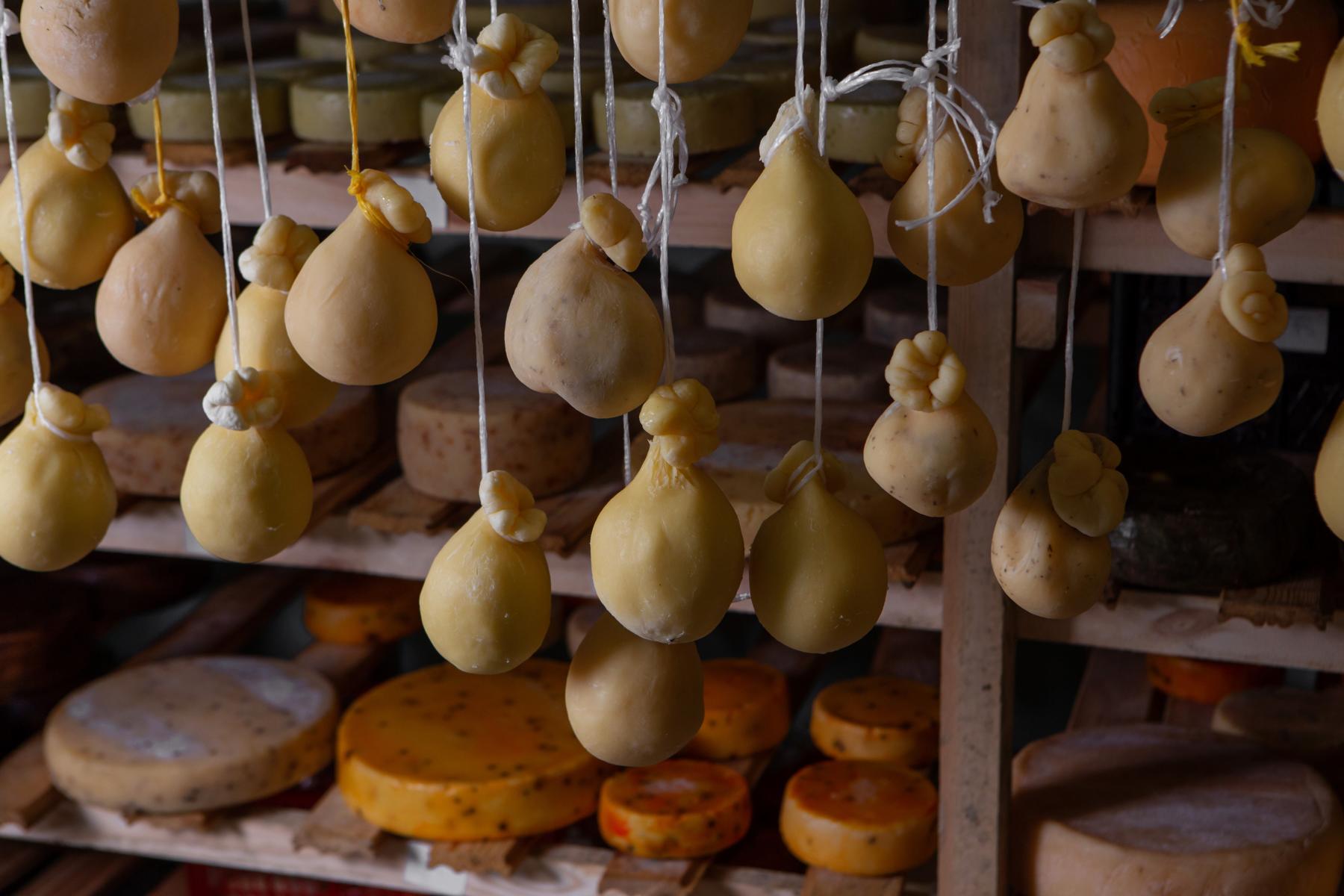
Blu Zones in Italy and their special features
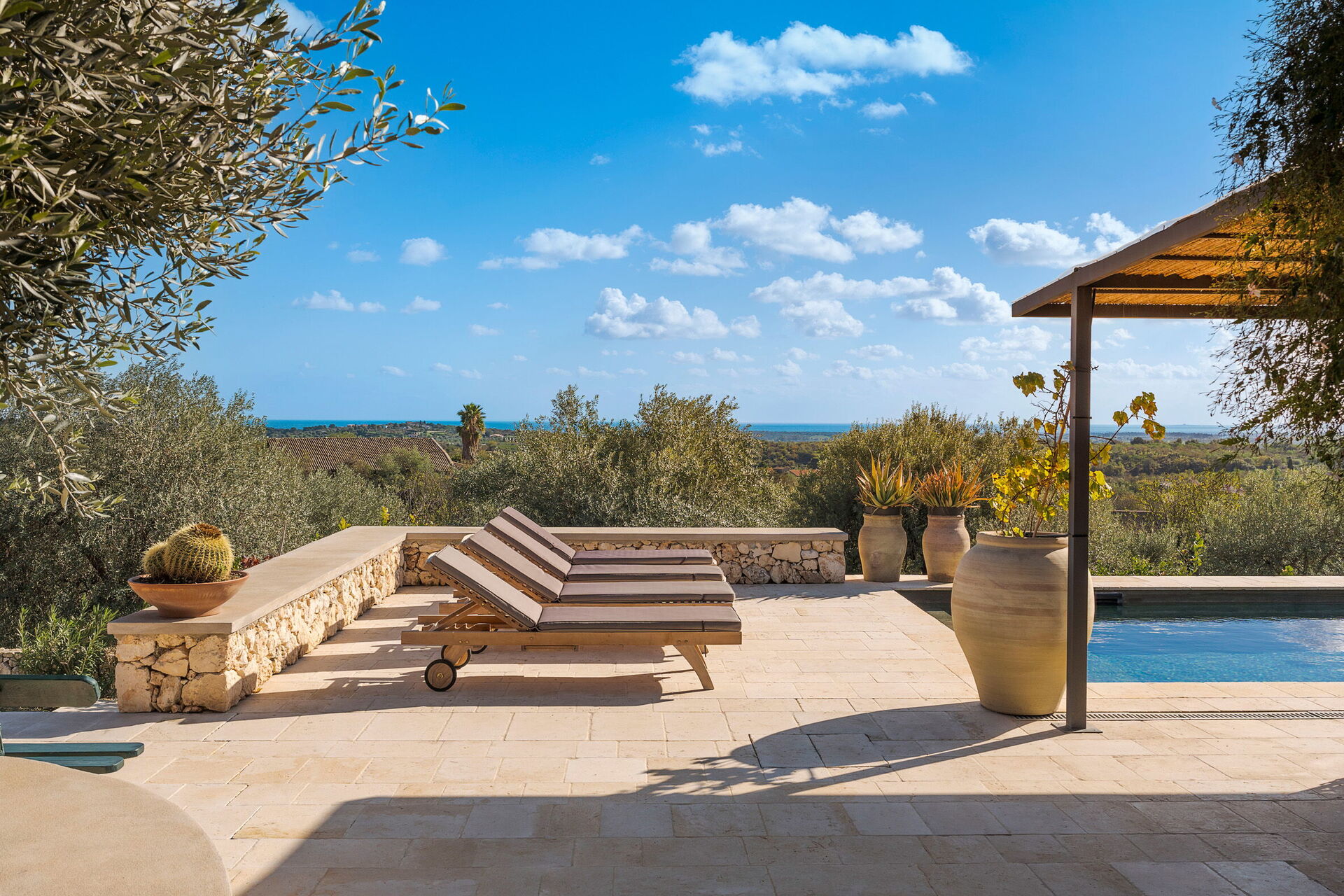
Italy has one of the highest life expectancies in Europe. Blu Zones are the areas of the world that have a particularly large number of centenarians. In Italy, the first area was sardinia in the central part of the island. Currently, this is also Sicani Mountains in Western Sicily watched more closely, followed by calabria, the Cilento in Campania and the Salento/Apulia.
In addition to the Mediterranean diet, there are other factors that make up this special lifestyle. This includes lots of physical exercise in the fresh air (whether in your own small garden or in agriculture). A strong and social bond, whether with the family or the villagers. The daily rhythm is slowed down and you take time to rest and do something meaningful. A contact with nature and little stress.