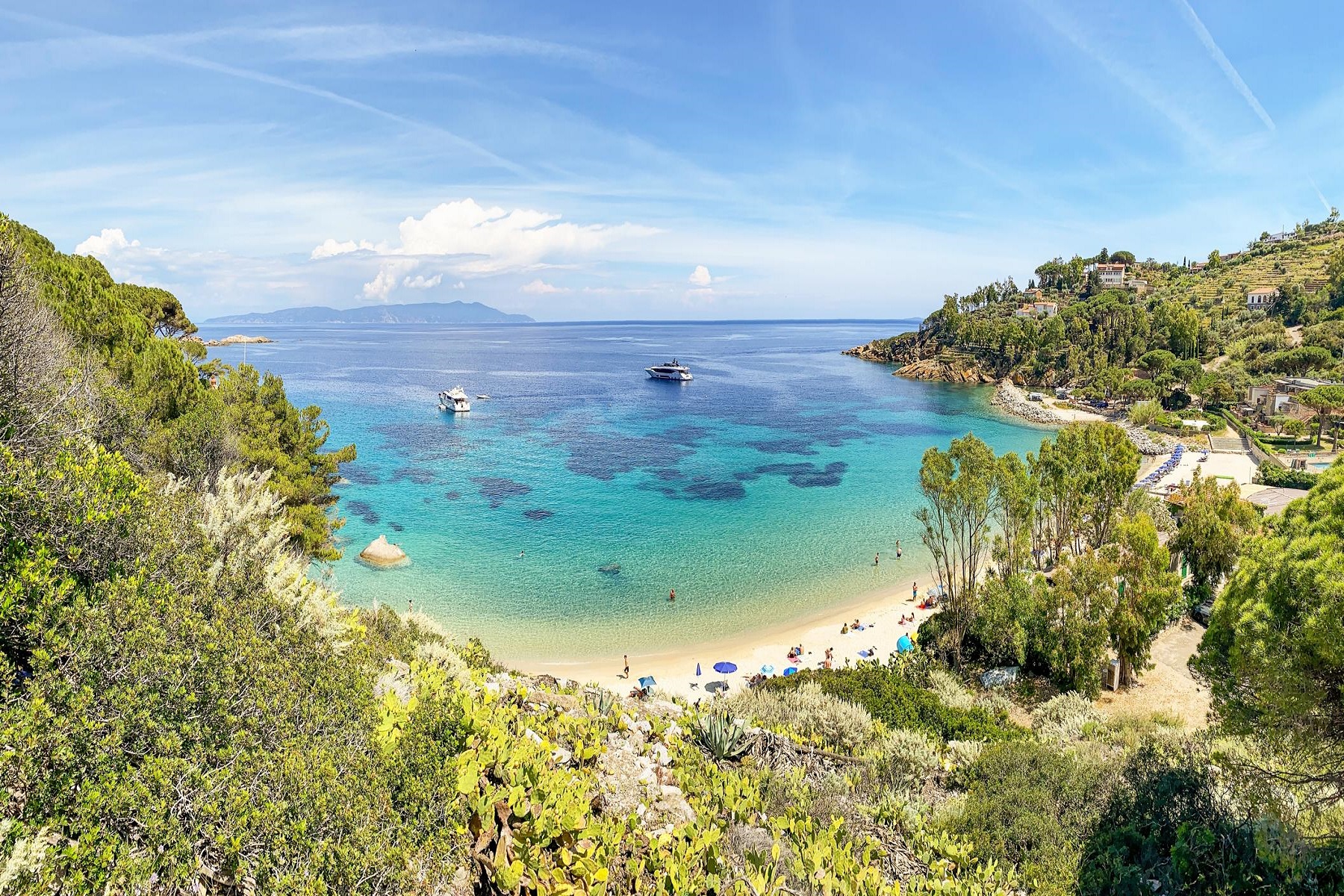
Many people know the island of Elba, but the Tuscan Archipelago, which is also the largest marine park in Europe, has much more to offer than the well-known island of Elba.
The seven islands are a dream of pristine beauty and breathtaking scenery, belonging to the provinces of Livorno and Grosseto.
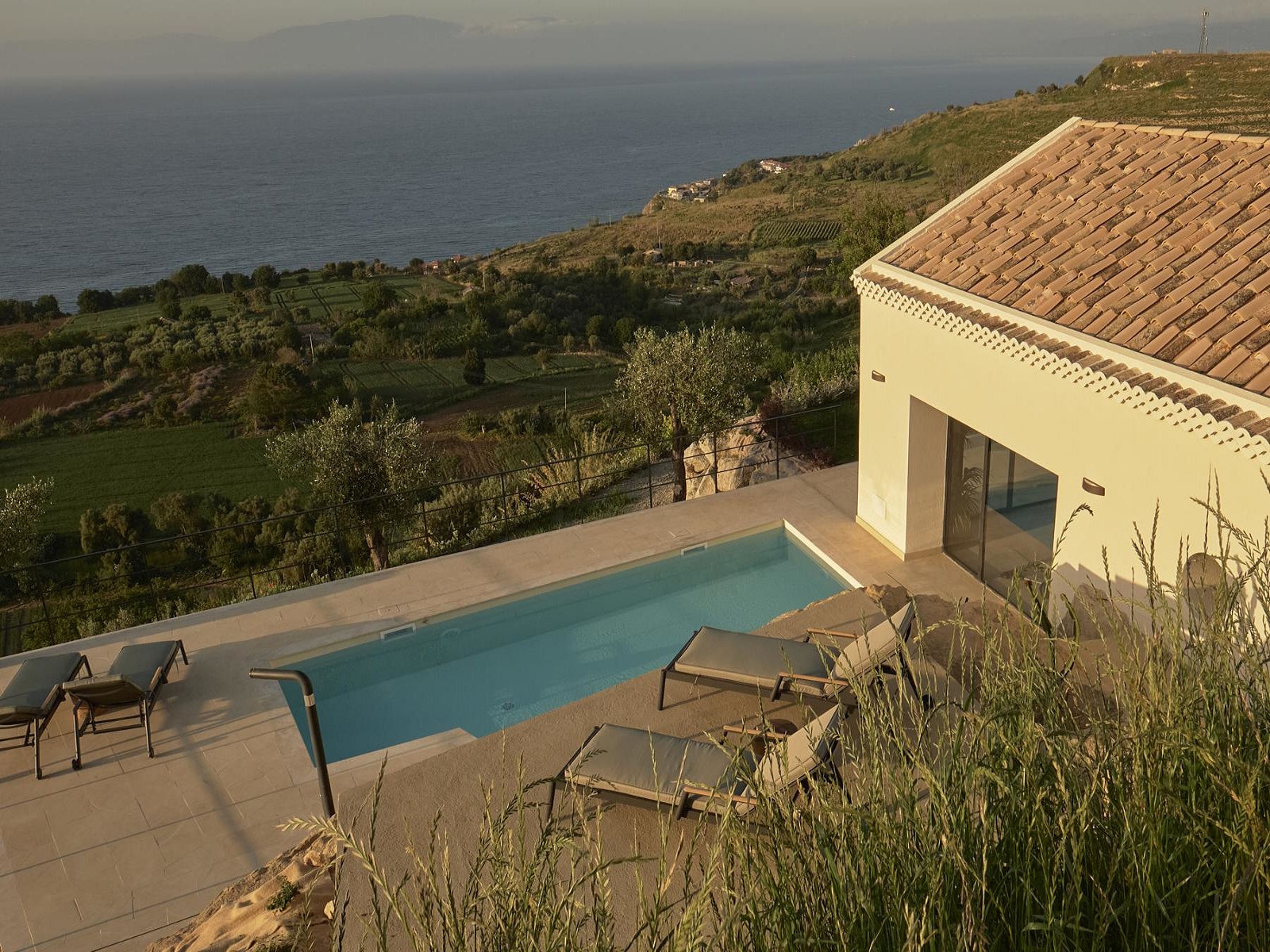
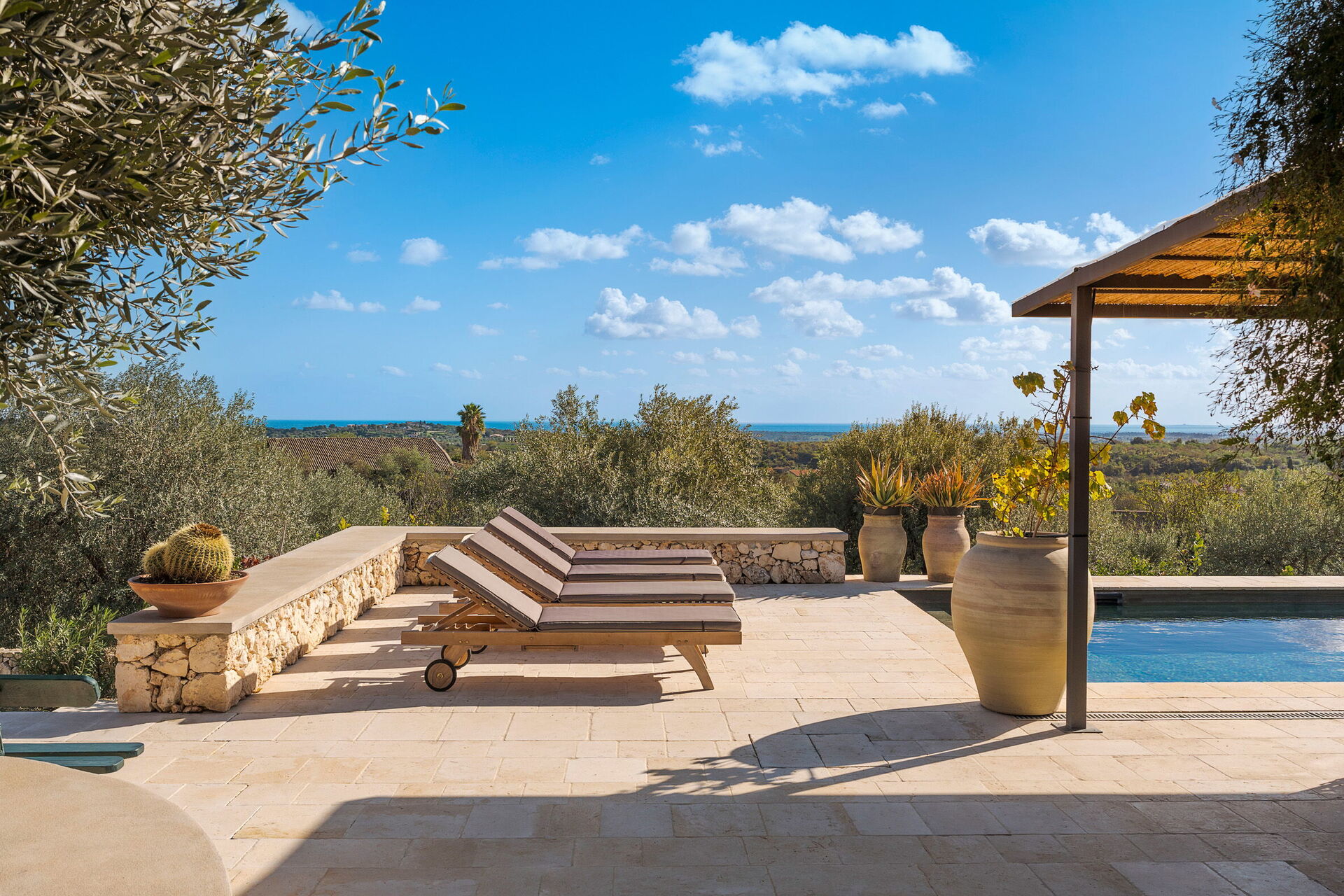
Discover the Tuscan Archipelago National Park as a family with children or a group of travelers of up to 10 people in our Villa Il Poggio in Grosseto or the Villa Podere Cipressini for up to 18 people. A beautiful country villa with warm colors, wide views and in one of the most untouched areas of Tuscany, which is still considered a secret tip.
Ob Elba, Giglio, Capraia, Pianosa, Giannutri, Gorgona and Monte Cristo... here are some secret tips about the islands, what makes them so special, special highlights and how best to reach them.
The national park covers just under 57,000 hectares of sea and 17,000 hectares of land. Evergreen plants, Mediterranean scrub, broom and chestnut forests... animals such as the shearwater, Tyrrhenian colored frogs, the goats of Monte Cristo and in the sea gorgonians, monk seals, fin whales, corals and starfish, to name just a few.
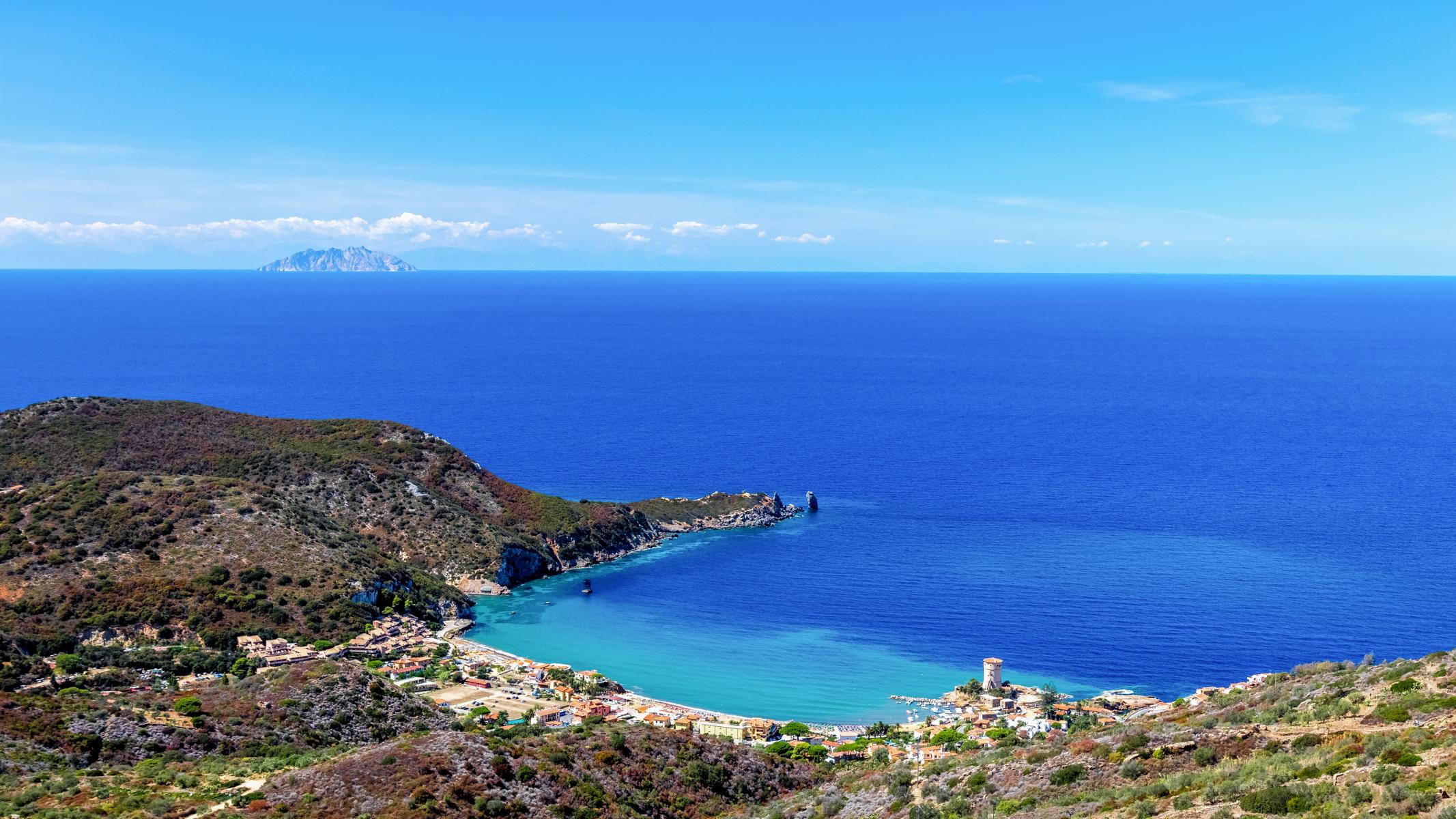
Elba island - butterfly paradise, Locman clocks and largest island in the archipelago
The largest island in the Tuscan archipelago, the third largest in Italy... an enchantment of crystal-clear seas, fantastic beaches and rich history, including that of Napoleon. The alleys, arches, underpasses of Portoferraio, Marciana and Capoliveri are particularly charming and of exceptional beauty. In Marciana Marina in particular, there is a seaside promenade with bars and restaurants and an area of villas surrounded by greenery. One of the most beautiful beaches is that of Fetovaia, which is 200 meters long and 40 meters wide. It reflects colors ranging from light green to deep blue with a crystal-clear sea.
Did you know that the touched LOCMAN watches were founded in Elba and are still manufactured by a small team on the island today?
Elba is also known for its butterfly paradise. You can admire them by following the Monte Perone ridge towards Monte Maolo and then continuing along the Calanche slopes and through the Filicaie area.
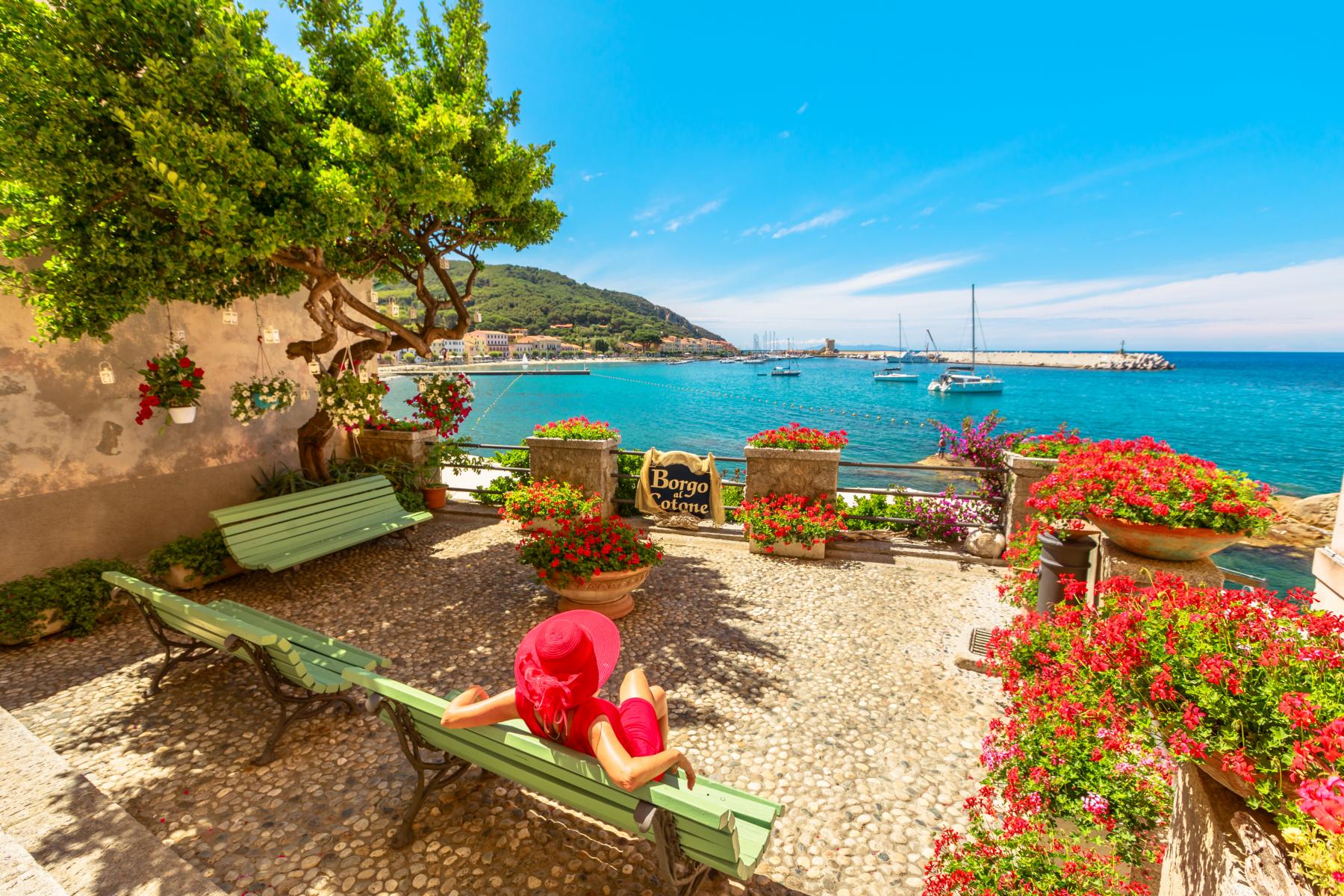
Giglio - emerald green sea, hiking, almost untouched nature
The island of Giglio is the second largest island in the archipelago and offers an extremely fish-rich seabed, fantastic views, bays and numerous hiking trails in the hinterland.
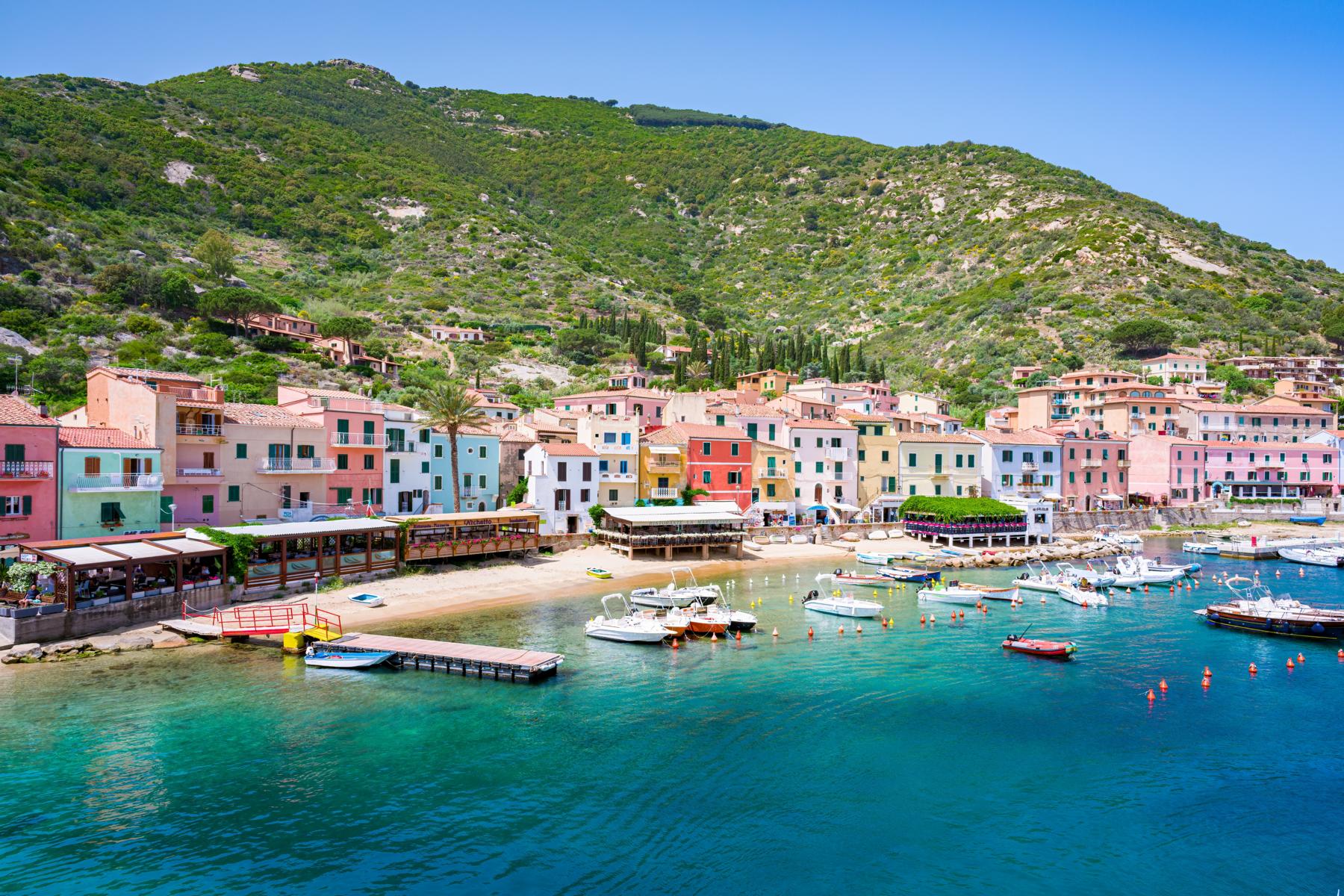
When you arrive at the port, you will find an enchanting example of pastel-colored houses, crystal-clear sea, but bars, ice cream parlors and shops also dot the village's alleys lined with colorful houses. The Saracen Tower, commissioned in the 16th century by Ferdinando I de' Medici, Grand Duke of Tuscany, is definitely worth a visit. Giglio Castello is an old walled village on the island's peaks and still exudes medieval flair today.
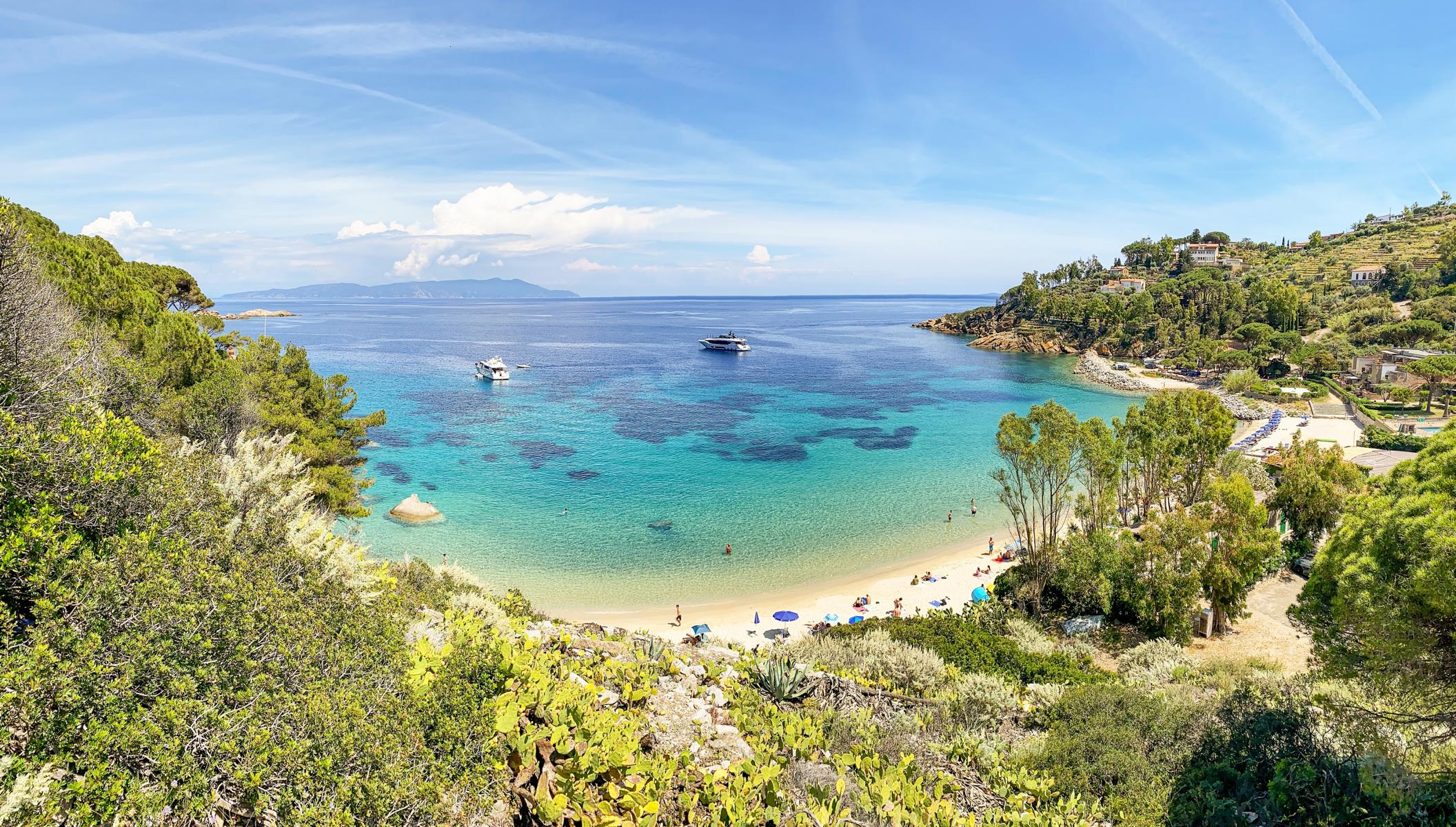
Capraia and Pianosa — one of the most pristine islands of unique charm and former places of exile
Capraia is the third largest island in the Tuscan Archipelago and is located in the Strait of Corsica. At a distance of over 50 km from the Tuscan mainland, it is the most remote island and is closer to Corsica than to Italy. There are two inhabited areas: the village and the port. The island is considered one of the wildest in the Tuscan Archipelago.
Enjoy a three-hour hike on the 8 km long island trails with a difference in altitude of over 250 meters. The route gives you the opportunity to fully immerse yourself in the history of this island, which served as a place of exile and penal colony for 100 years. In addition to mule trails, the island also has a freshwater basin, the only one in the Tuscan Archipelago.
Pianosa is a flat island and was almost inaccessible until 1997, as a high-security prison was located there and was closed. There are many usage restrictions imposed by local authorities to preserve the biodiversity of the island of Pianosa. Pianosa is closest to the island of Elba.
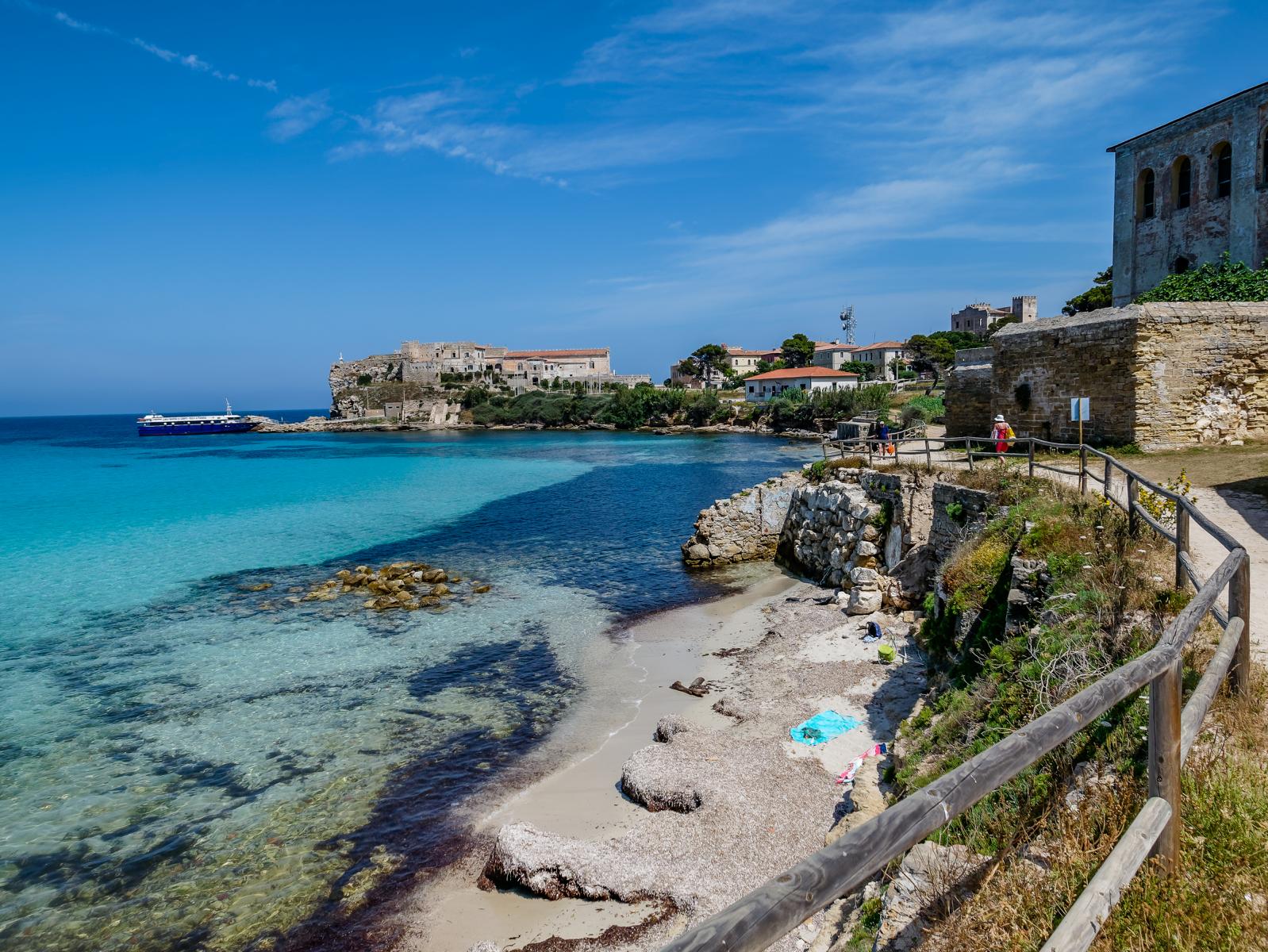
Monte Cristo - called the island of islands
Die Monte Cristo island is called “Isola delle Isole”, the island of the Tuscan archipelago. It is the wildest and most inaccessible in the archipelago. Limited places to visit the island are offered annually only with a local guide.
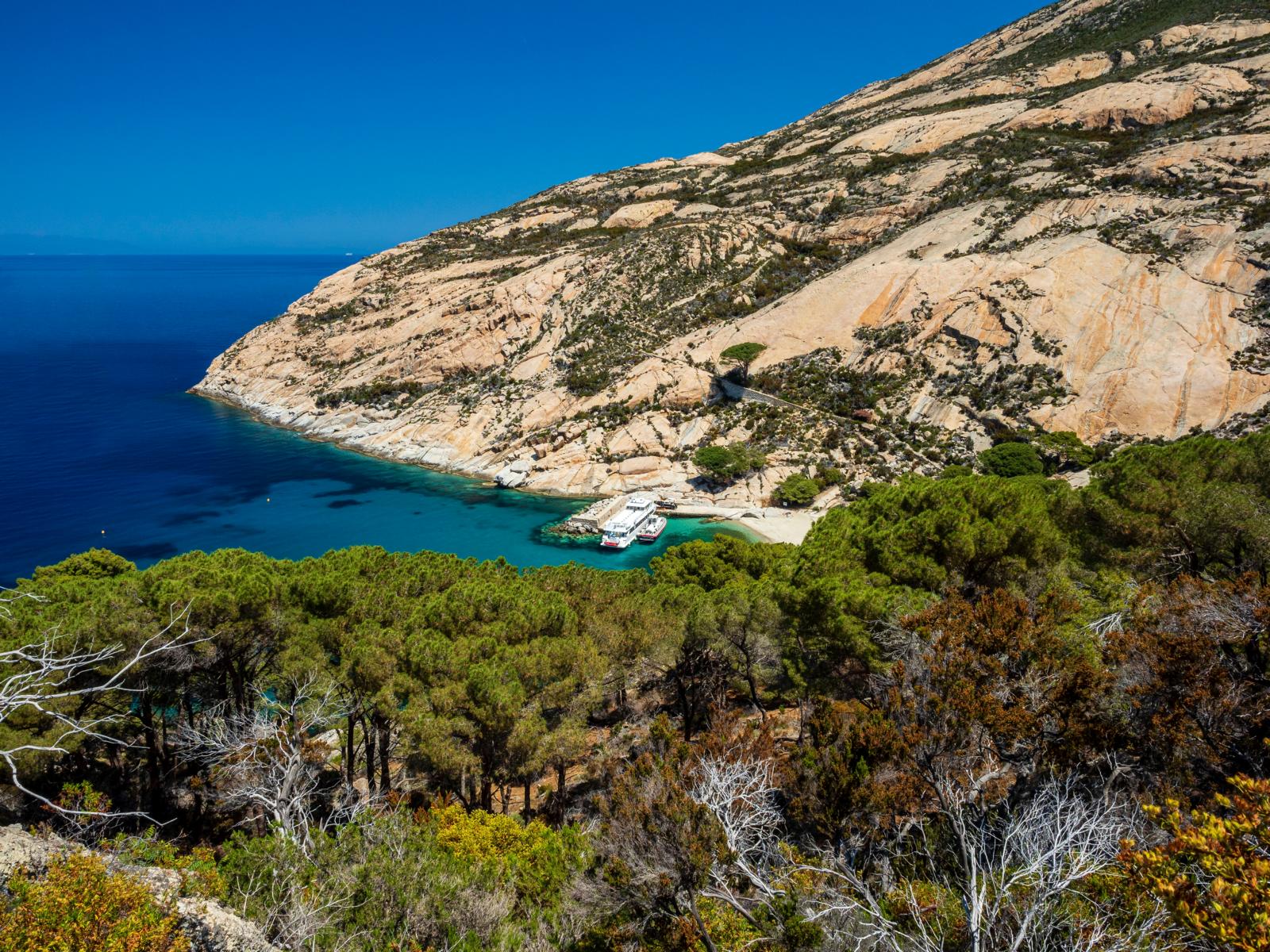
Many visitors often wait for years to see the island due to the limited and scarce places on offer which are booked out in a short time. Nature is unique and a state nature reserve, which is under special protection. The island is uninhabited except for the island guard. Access is prohibited without a local guide and you may not bathe off the island up to a specified distance.
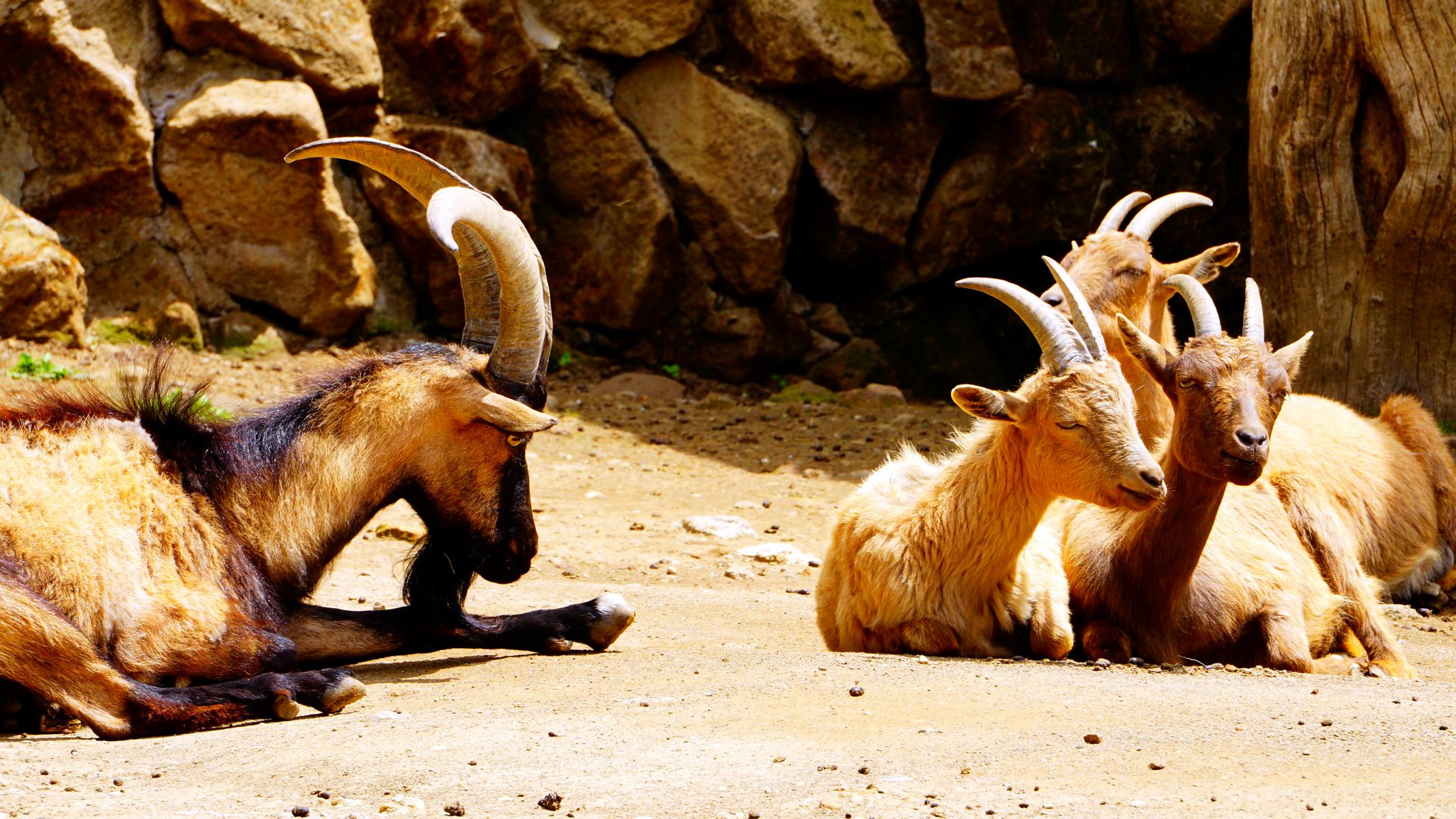
It covers an area of over 10 square kilometers, consists mainly of gray-pink granite and has the shape of a pyramid, which conveys the idea of impregnability. Cala Maestra Bay is the only accessible pier. Among other things, the wild goat on the island of Monte Cristo is also famous.
Giannutri and Gorgona — Italy's last island prison and Aleppo pines
The southernmost island is Giannutri, Almost uninhabited except in Roman times, where you can still find the remains of a villa. Giannutri is wild and mythical, a paradise for snorkelers and nature lovers. There are no sandy beaches, but there are two bays with almost carabic characteristics. Giannutri means a return to basics: sky, rocks, wind.
Giannutri has only almost 30 inhabitants and is also known as the island of seagulls due to the numerous rare seagull colony on the island.
Gorgona is the smallest island in the archipelago and was Italy's last island prison. It is almost completely covered by Mediterranean scrub and protected by high, rugged coasts. Gorgona is a place where nature has retained its wild character and you have the feeling that time seems to have stood still. Gorgona is home to a prison that is unique in Europe: an open prison in which the inmates live in half freedom and work in the fields, with animals or in the cellars. Since 2012, the newly launched project has focused on the production of a fine wine, which is the result of the work of prisoners and symbolizes redemption and reintegration. Gorgona is an ecological gem with rare biodiversity, including fauna and flora. The seabed is a paradise for divers, but is inaccessible to most people due to environmental and prison requirements.
Getting there
The Tuscan archipelago can be reached by boat and Elba even by plane. The main terminals are Porto Santo Stefano in the province of Grosseto and Piombino in the province of Livorno. In high season, island hopper trips are also offered from Castiglione della Pescaia.
Giglio and Giannutri islands
They can be reached all year round by boat from the port of Porto Santo Stefano (GR).
Capraia
The island of Capraia can be reached all year round with a boat trip of around two and a half hours from the port of Livorno.
Gorgona
There is an agricultural penal colony on the island of Gorgona, so the number of visitors is limited and visits take place every Tuesday by appointment (Atelier del Viaggio agency, tel. 0586/884154). Departure from the port of Livorno.
Pianosa
The island of Pianosa has been open to the public since 1998, when the prison was closed, but is still changing after 150 years in prison. For this reason, visits are limited to a limited number of participants and are offered as guided tours.
Elba island
The island of Elba can be reached all year round by boat from the port of Piombino (LI).
Montecristo
To visit Montecristo Island, a special permit is required, issued jointly by the State Forest Agency and the Park Administration.
Online ticket booking to the smaller Tuscan islands: https://www.parcoarcipelago.info/
Through the booking portals: https://www.traghetti.com/